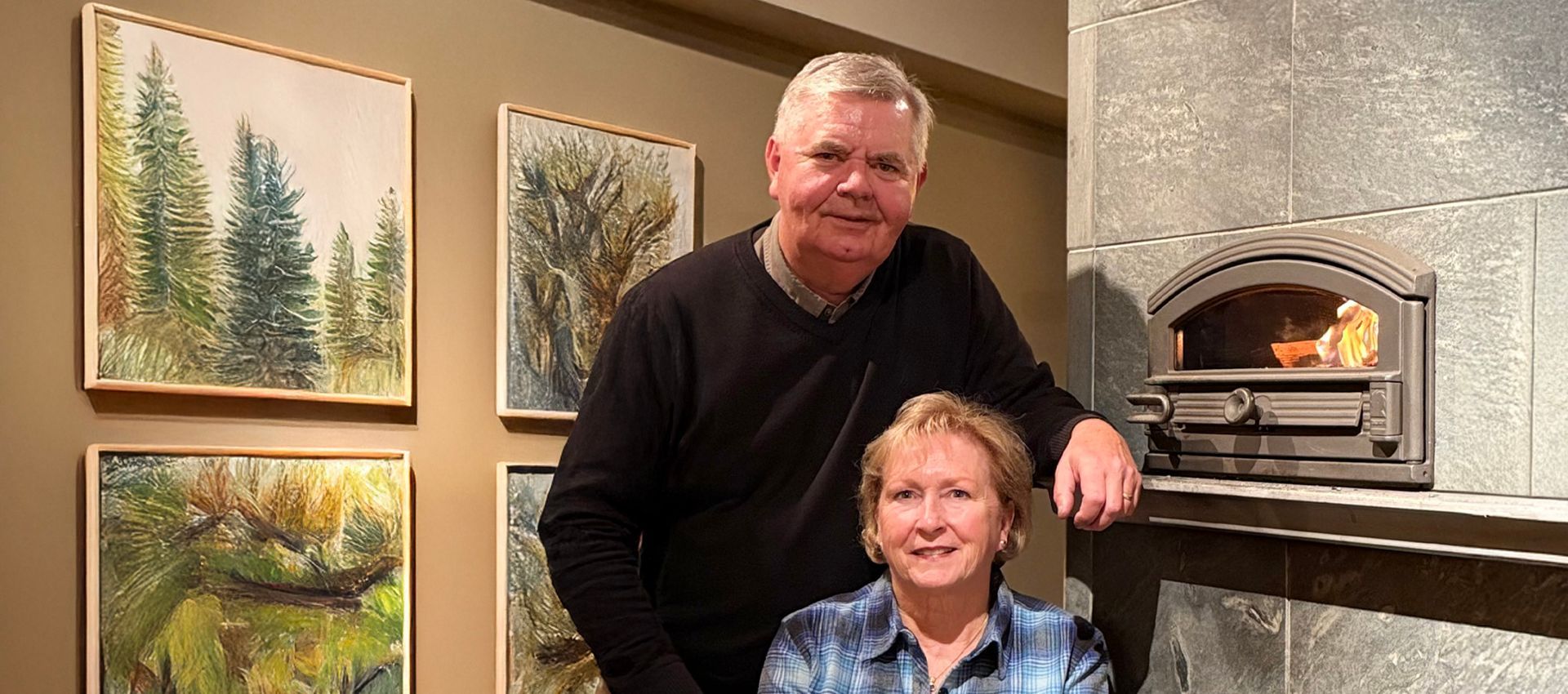
Architect Rann Haight was ahead of his time and today, by choice, is behind the times. Leading a team in the 1980s, they developed sustainable and accessible building designs before LEEDS and ADA requirements challenged architects with strict rules.
customer spotlight
A Man Ahead of His Times
Architect Rann Haight was ahead of his time and today, by choice, is behind the times. Leading a team in the 1980s, they developed sustainable and accessible building designs before LEEDS and ADA requirements challenged architects with strict rules.
And, as he has for more than four decades, Rann draws his designs by hand, preferring not to use computer designing programs like many architects rely on today. Instead, he gives his clients the benefits of his education, experience, and intuition. “I don’t want anything to do with computers—nothing about the architect transfers.”
Rann only works with clients who will actually live in their homes, preferring to design their homes in response to unique problem-solving challenges. He brings clients along on the design ride, “we’re going to do everything you want and make it better.”
“I don’t want anything to do with computers—nothing about the architect transfers.” — Rann Haight
A Mid-Life Crisis
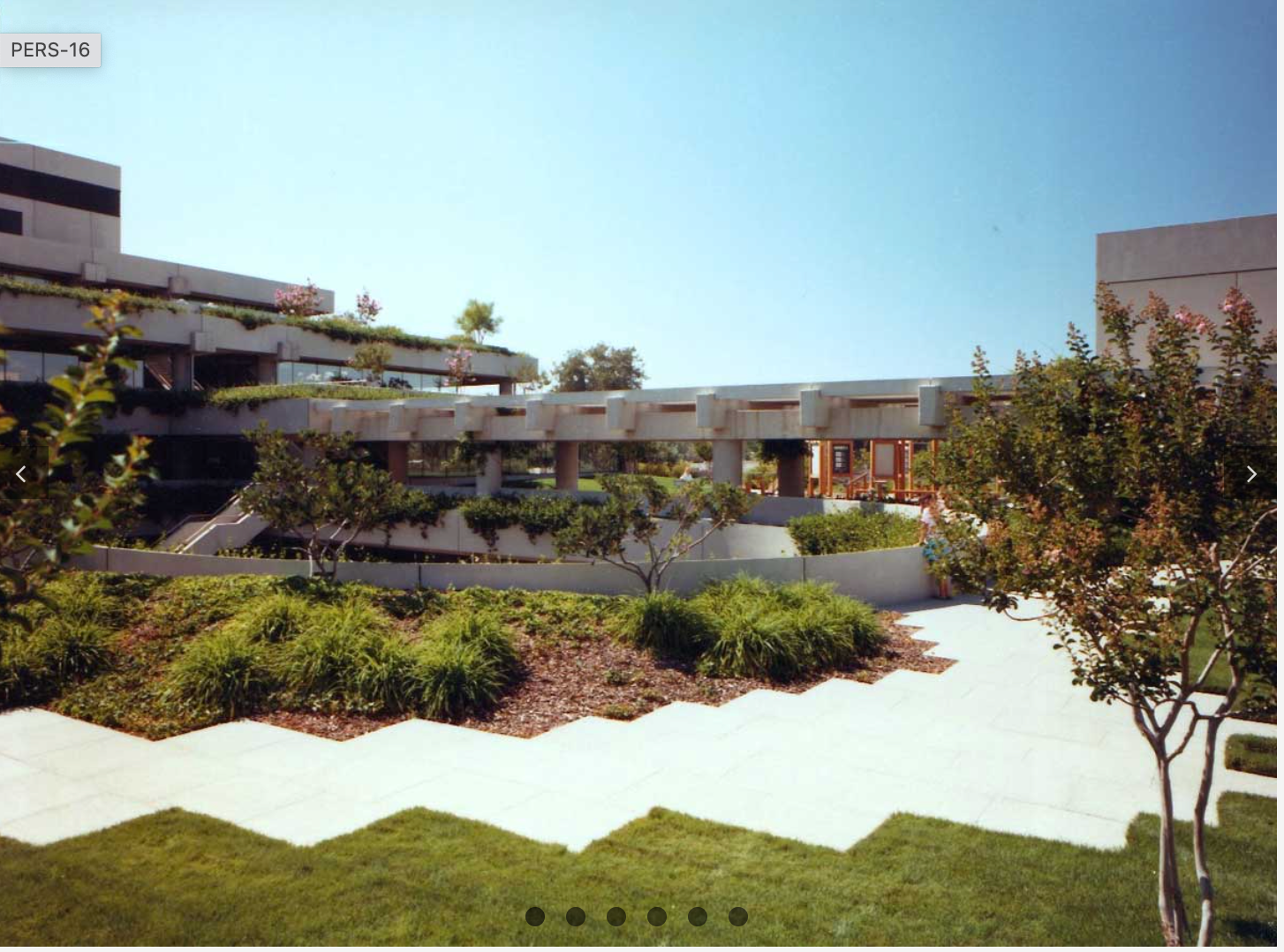
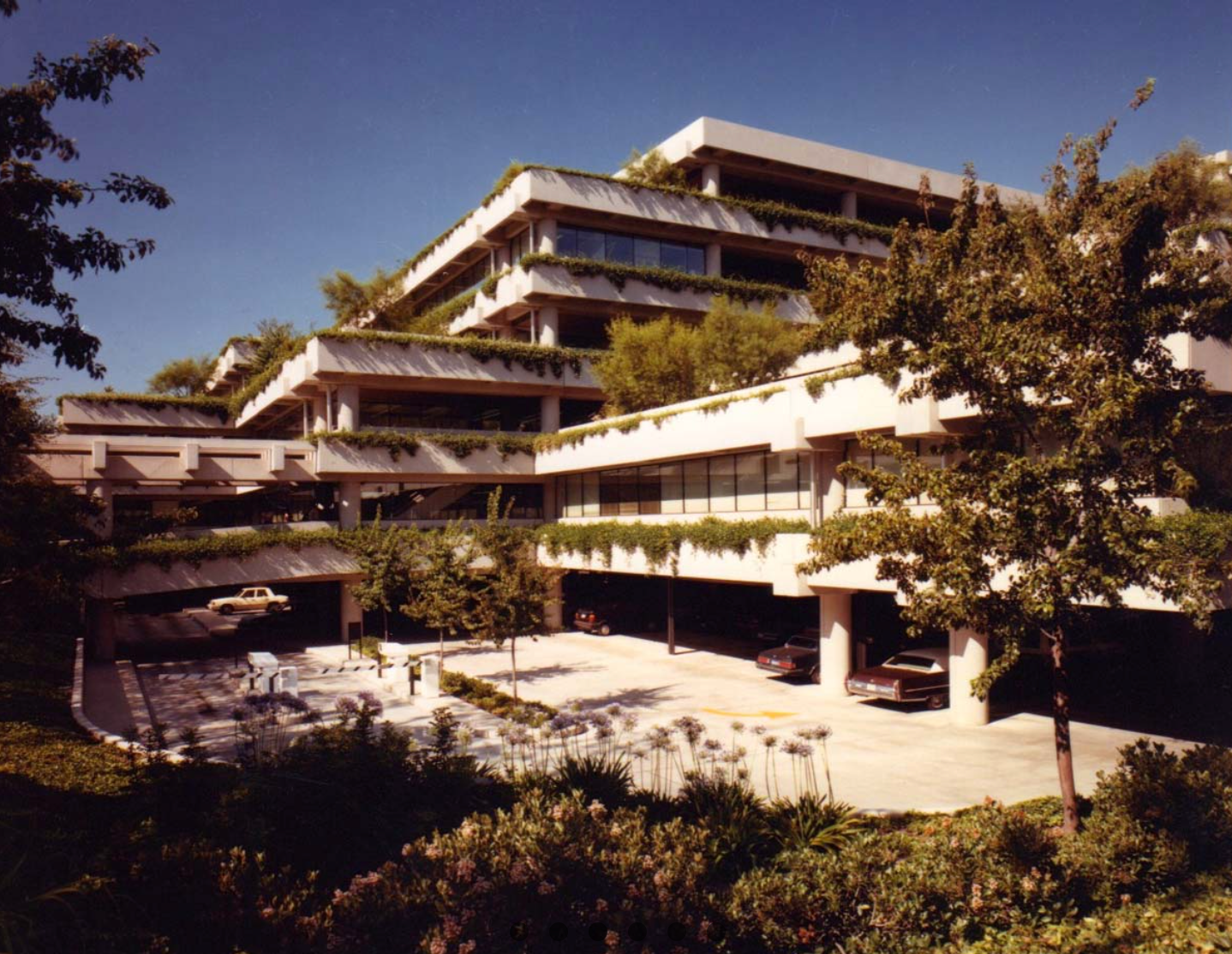
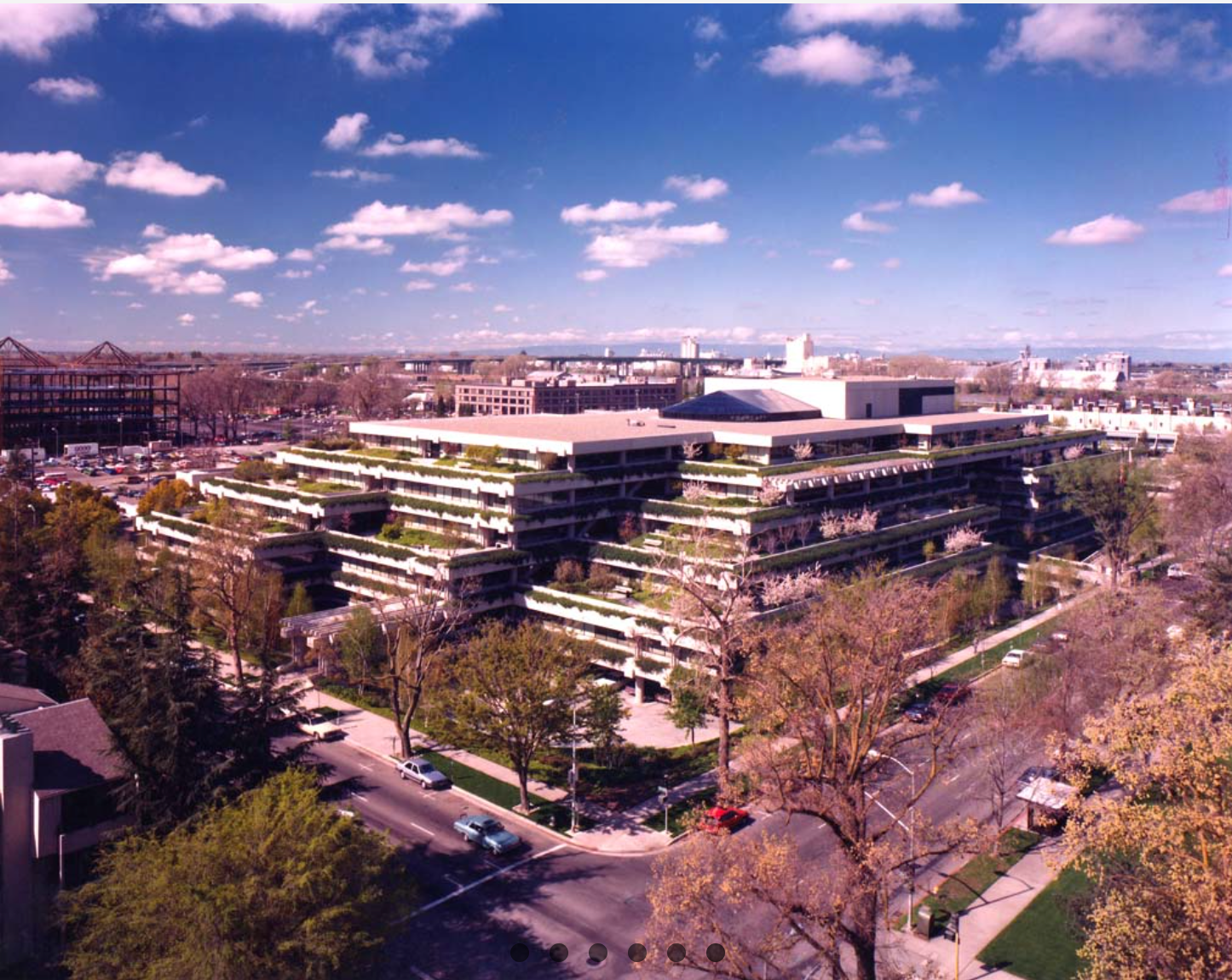
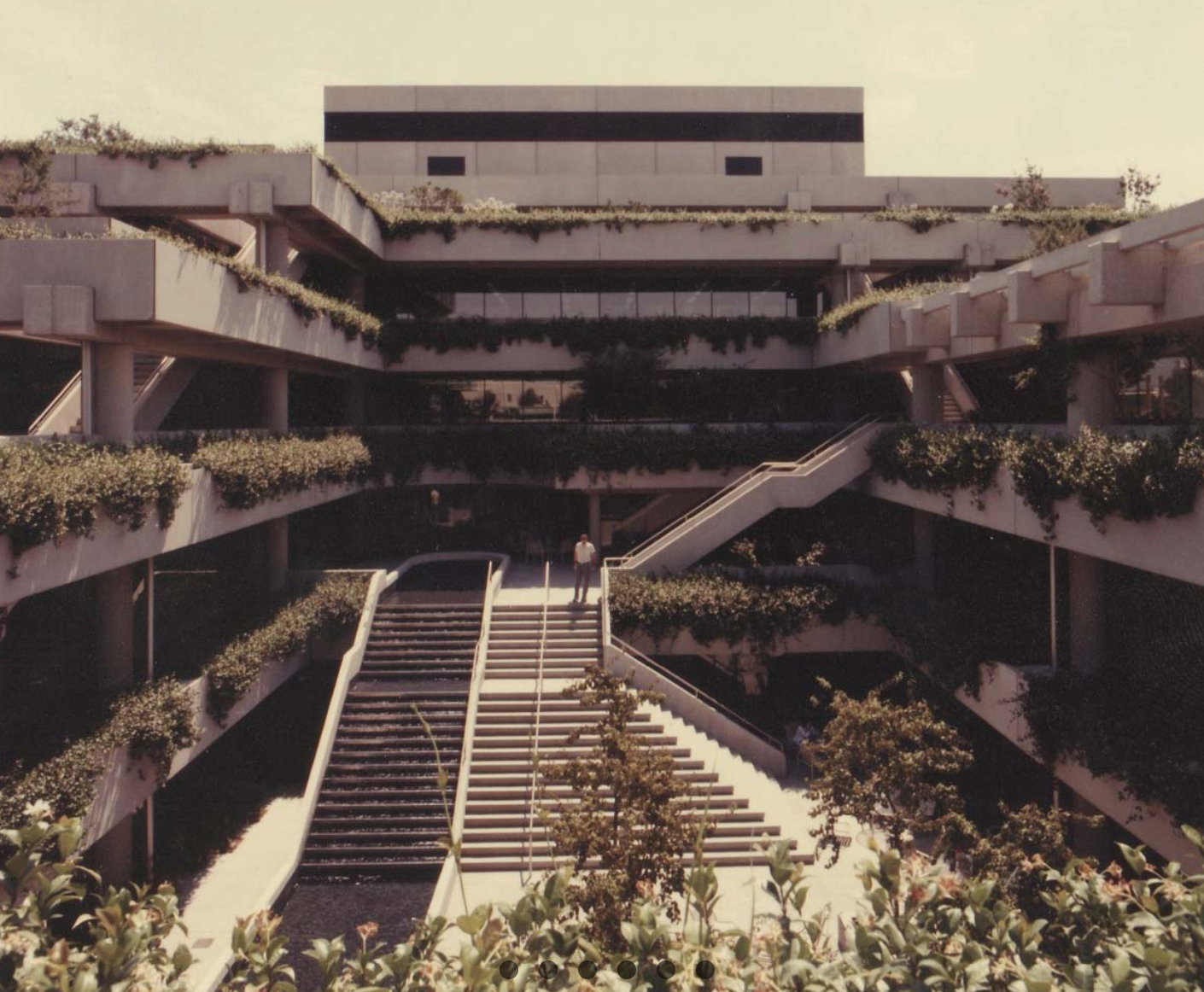
Rann earned architectural degrees in the 1970s and his California Architectural License in 1982. He designed residential and commercial buildings, including sports arenas and hotels, but perhaps the most impressive is the multi-level, 450,000 square-foot Lincoln Plaza CalPERS building in Sacramento. He and his team developed the building’s green Carlisle Roof System with 300,000 square feet of living plants tiered on the roofs and balconies of multiple stories.
The 1986 CalPERS building received a “Gold” LEEDS rating when it was evaluated in its twenty-fifth year and it exceeded the requirements of ADA. You can find this and other projects on Rann’s website.
https://www.rannhaight.com/portfolio-items/lincoln-plaza-sacramento-ca/?portfolioCats=3.
After working for two decades, Rann experienced a mid-life crisis. To respond to needed change, he and his wife Samm bought an empty lot on Harbor Island, north of Coeur d’ Alene, Idaho in 1995. Rann designed their home with a nod to his favorite building, the 1920s Arts and Crafts Style Ahwahnee Hotel in Yosemite National Park. This style emphasized handmade, artistically designed elements, moving away from mechanized design.
True to his vision, Rann framed many arches, custom-built multi-paned windows, and used natural materials like tile and granite. I immediately felt like I was inside a work of art when I interviewed Rann in his home in summer 2025.
The Massive Tulikivi 2700/51
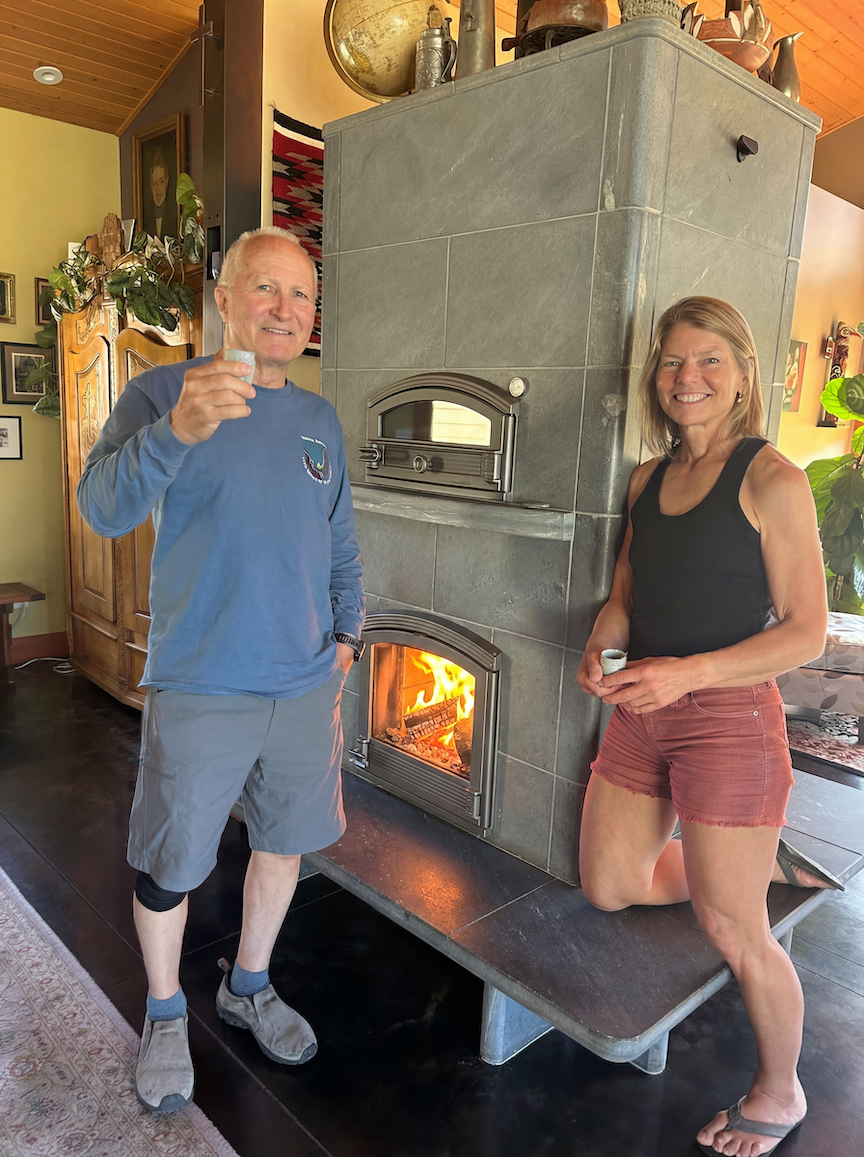
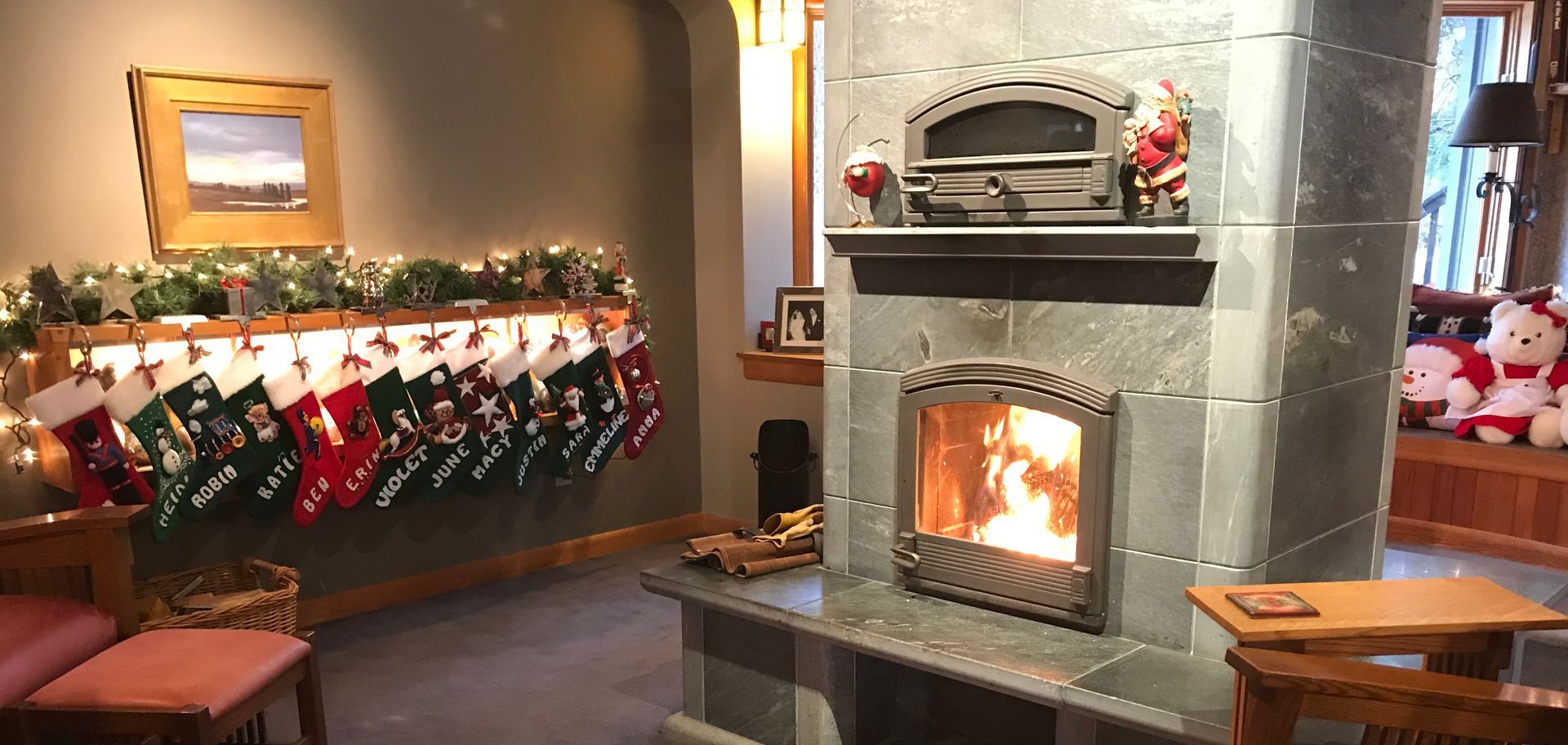
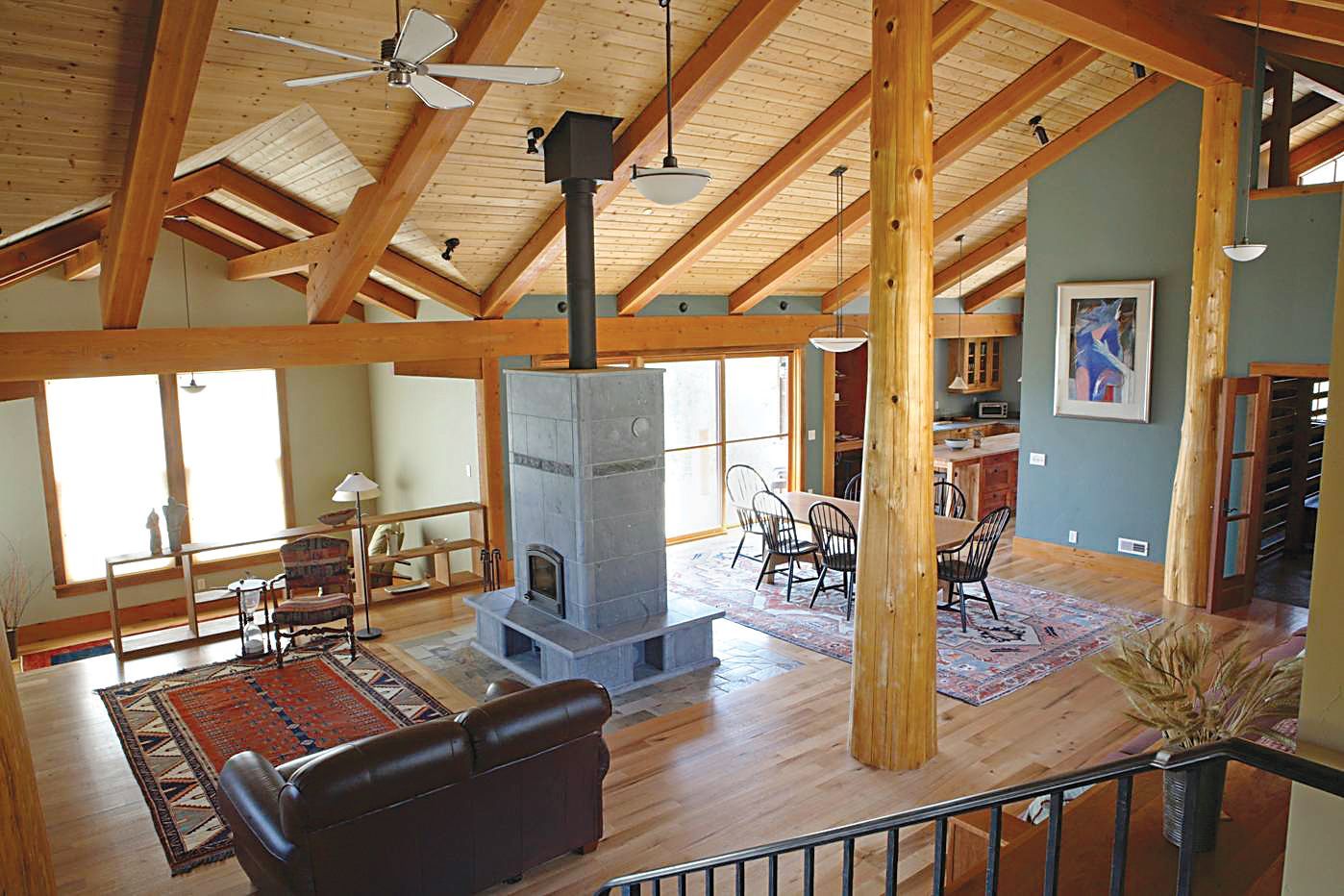
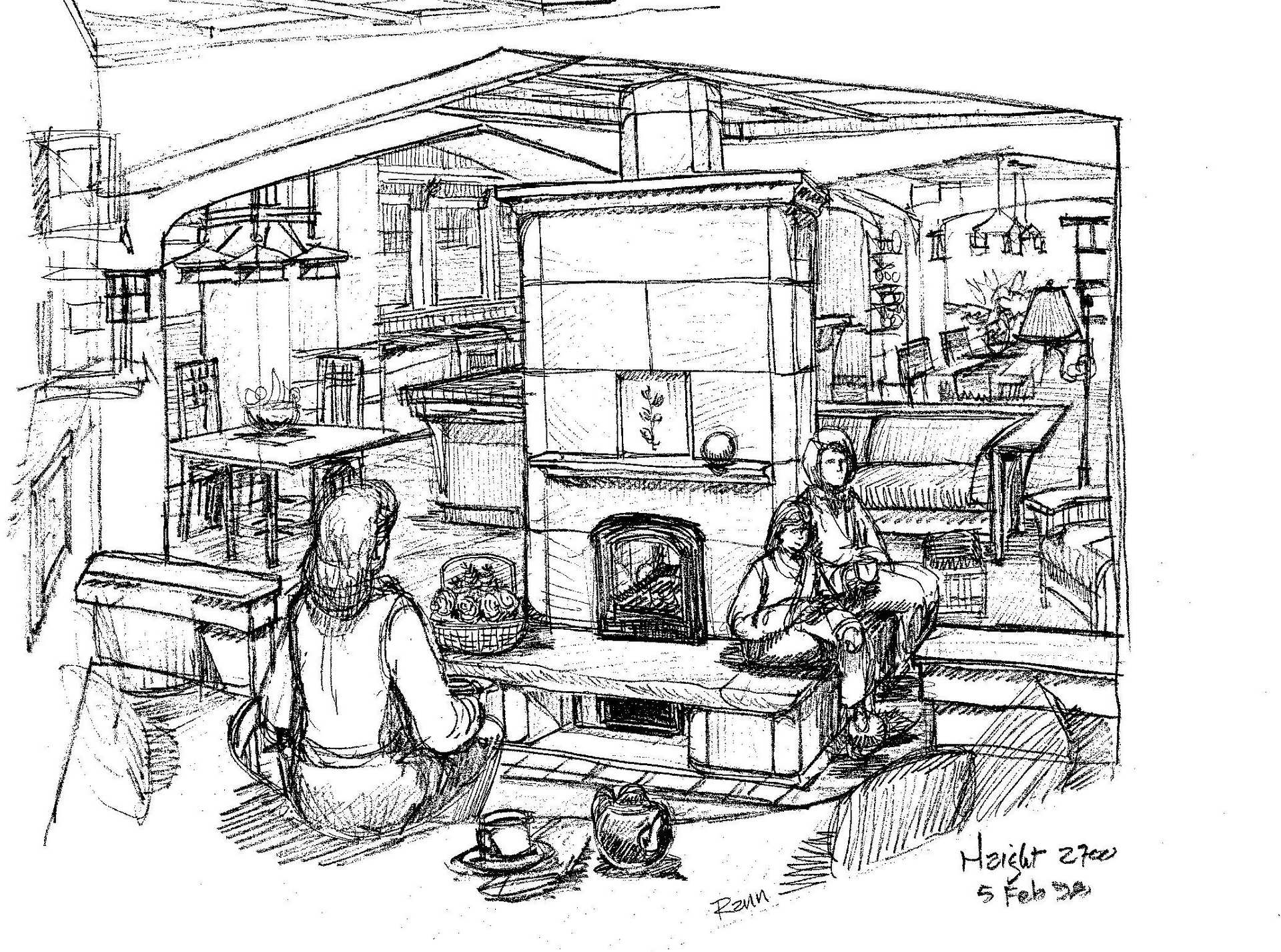
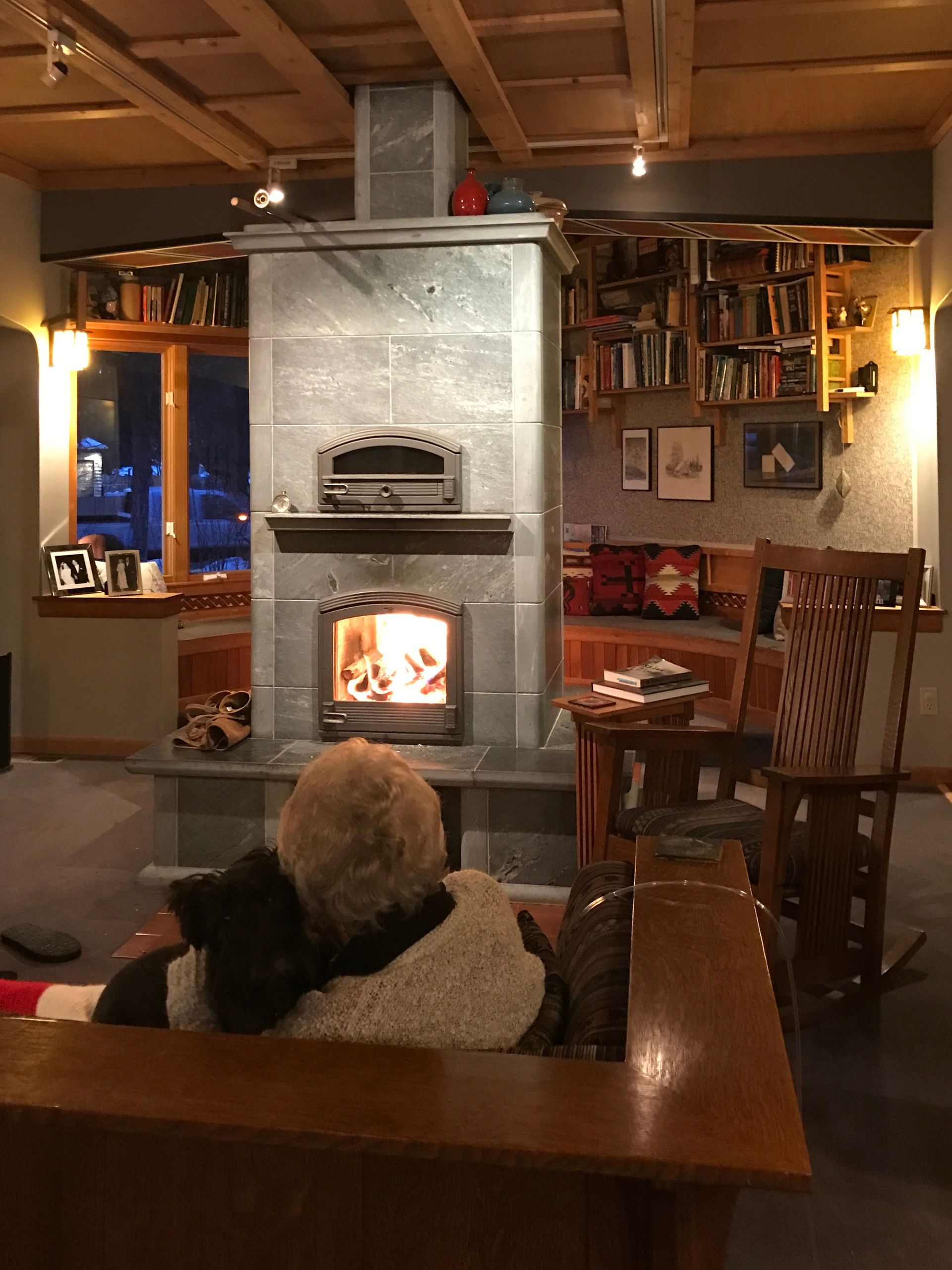
While still in California, Rann saw an ad for Tulikivi heaters in a Fine Homebuilding magazine. He immediately knew that he wanted to heat their new home with a Tulikivi and contacted Ron Pihl in Montana, ultimately working with Idaho dealer Meri Berberet. Rann chose Tulikivi model TTU2700-51, a large masonry heater with a bakeoven and a wrap-around bench that heats 2,000 square feet. It would take center stage in their home. (He didn’t know that in the future he’d be creating his own style of soapstone heaters, often by redesigning this Tulikivi model.)
Weighing more than four-tons, it required a massive support system that Rann designed independent from the house foundation. Tulikivi trainer and engineer Erkki Jarvinen of Finland was very impressed, saying it was the best install he’d seen yet. (Erkki etched his signature into Rann and Samm’s Tulikivi—the only time he has ever done that.) Several masons from across the country traveled to Idaho to witness the Tulikivi’s support system.
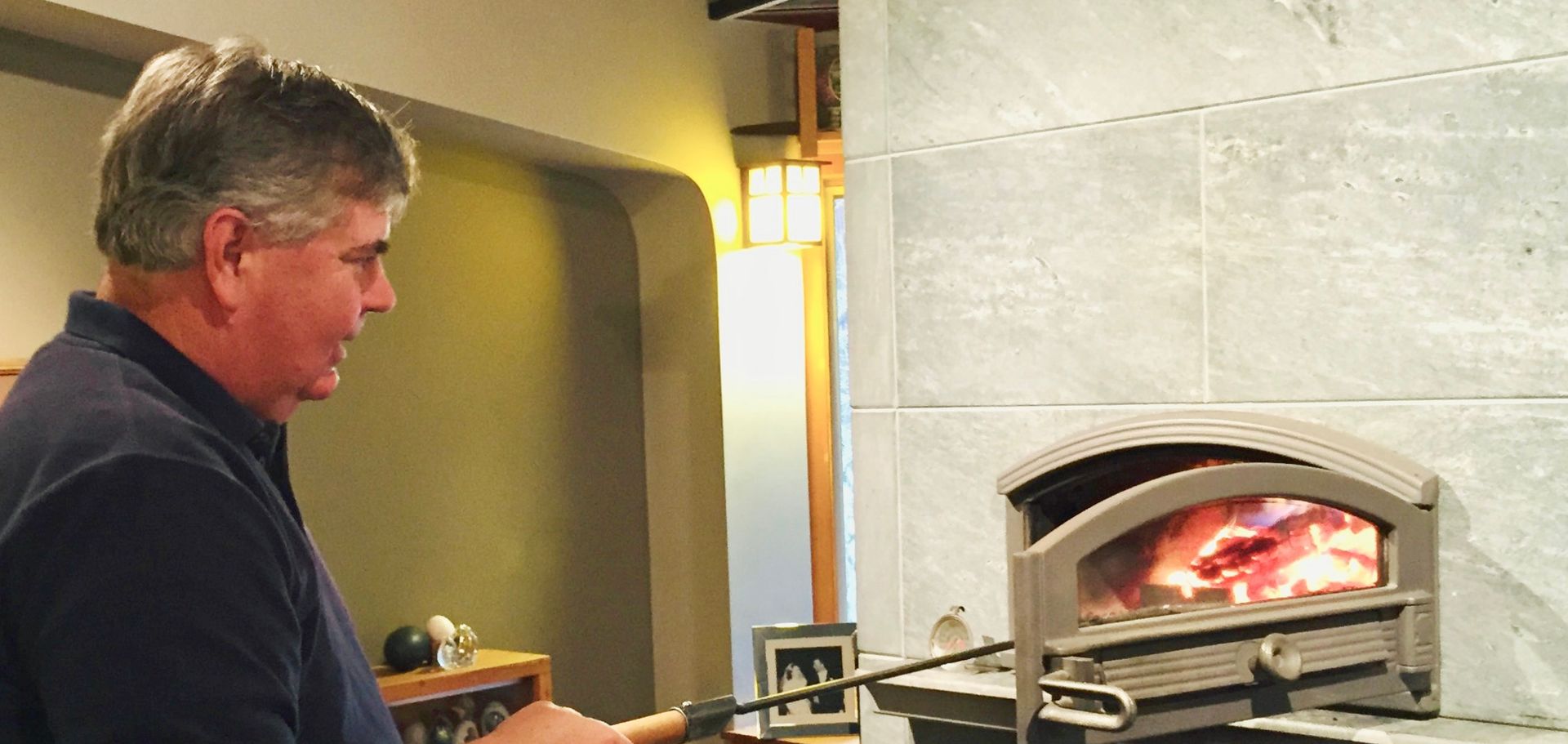
Not only was it a superb installation, it was also the first Tulikivi TTU2700 unit (one of the best-selling models) to have a bakeoven added to it. Dealers from Wisconsin and Oregon traveled to Idaho to learn about bakeovens during this historic moment in Tulikivi history.
“Weighing more than four-tons, it required a massive support system that Rann designed independent from the house foundation. Tulikivi trainer and engineer Erkki Jarvinen of Finland was very impressed, saying it was the best install he’d seen yet. (Erkki etched his signature into Rann and Samm’s Tulikivi—the only time he has ever done that.) Several masons from across the country traveled to Idaho to witness the Tulikivi’s support system.”
Karen Reinhart has published books and articles about the natural and cultural history of Yellowstone National Park and the surrounding area since 1999. She has written articles for Warmstone Fireplaces and Designs since 2001.
Contact Rann Haight if you’re interested in hiring him—his contact information is on his website www.rannhaight.com.